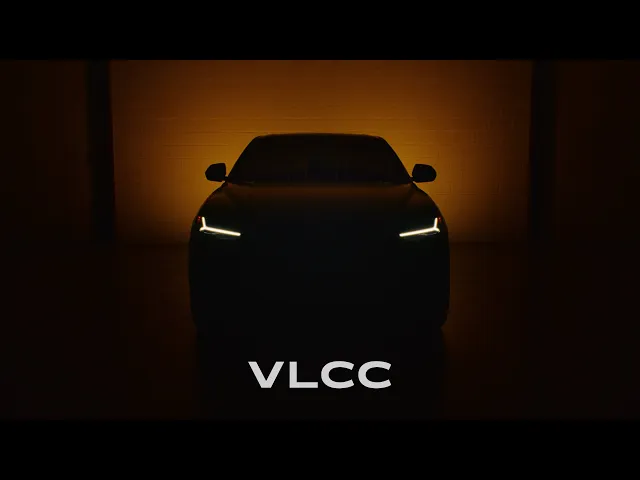

"The difference usually comes down to a combination of technical execution and creative decisions made before, during and after the shoot."
Not all video is created equal. Two videos can feature the same subject, the same camera and even the same location, yet one can immediately feel polished, professional and compelling while the other feels cheap or forgettable. The difference usually comes down to a combination of technical execution and creative decisions made before, during and after the shoot. If you are investing in corporate video production, brand films, testimonials or social media video, knowing what separates good video quality from bad can help you get much more value from your production budget.
Truth & Beauty Video Production is an award-winning video production company based in Vancouver Canada. With over 20 years experience, we can help your business level up in whatever way you need.
1. Lighting
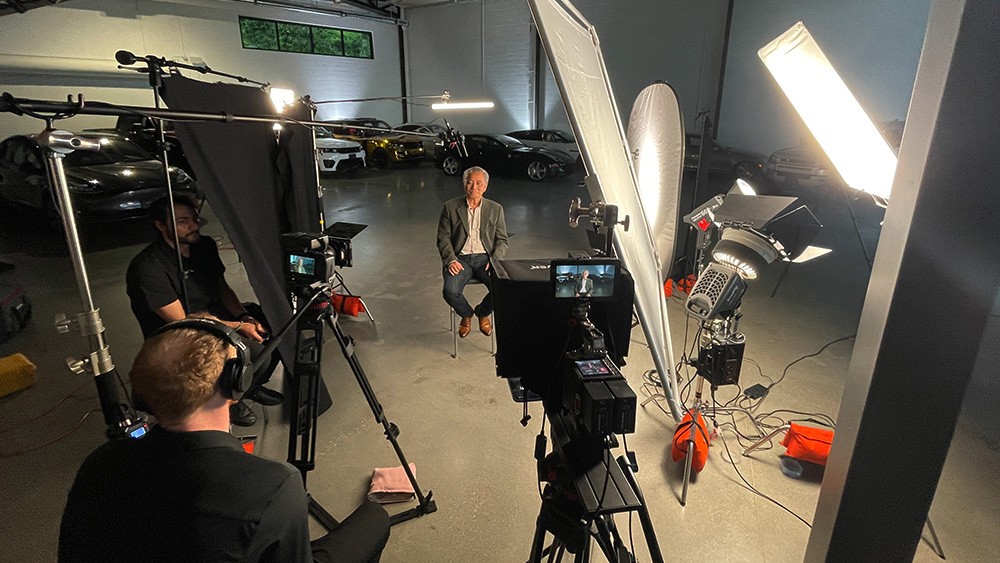
Lighting is one of the fastest ways to tell whether a video was professionally produced. Good lighting gives a subject shape, separates them from the background and creates an intentional mood, while poor lighting can make even an expensive camera look unimpressive. Look for balanced skin tones, controlled highlights, pleasing shadows and light that actually supports the story or environment rather than simply making everything brighter. Professional video production often involves carefully positioning key lights, fill, backlight and practical sources so that the image feels natural while still having visual depth.
The best lighting does not necessarily look like lighting at all. In many cases, the audience should simply feel that the person looks great and the environment feels appropriate, without thinking about why. Lighting can be soft and flattering for an interview, dramatic and directional for a brand film, or bright and energetic for a commercial. What matters is that the lighting supports the mood, subject and message rather than being applied using a one-size-fits-all approach.
2. Camera Stability
A professional-looking video generally has deliberate camera movement rather than accidental camera shake. A locked-off interview, smooth handheld shot, controlled gimbal movement or carefully executed tracking shot can all work beautifully when they serve the story. Problems arise when the camera appears unstable simply because the operator did not have the right support, technique or intention. Excessive shaking can make a corporate video, commercial or testimonial feel amateurish and can distract viewers from what the subject is saying.
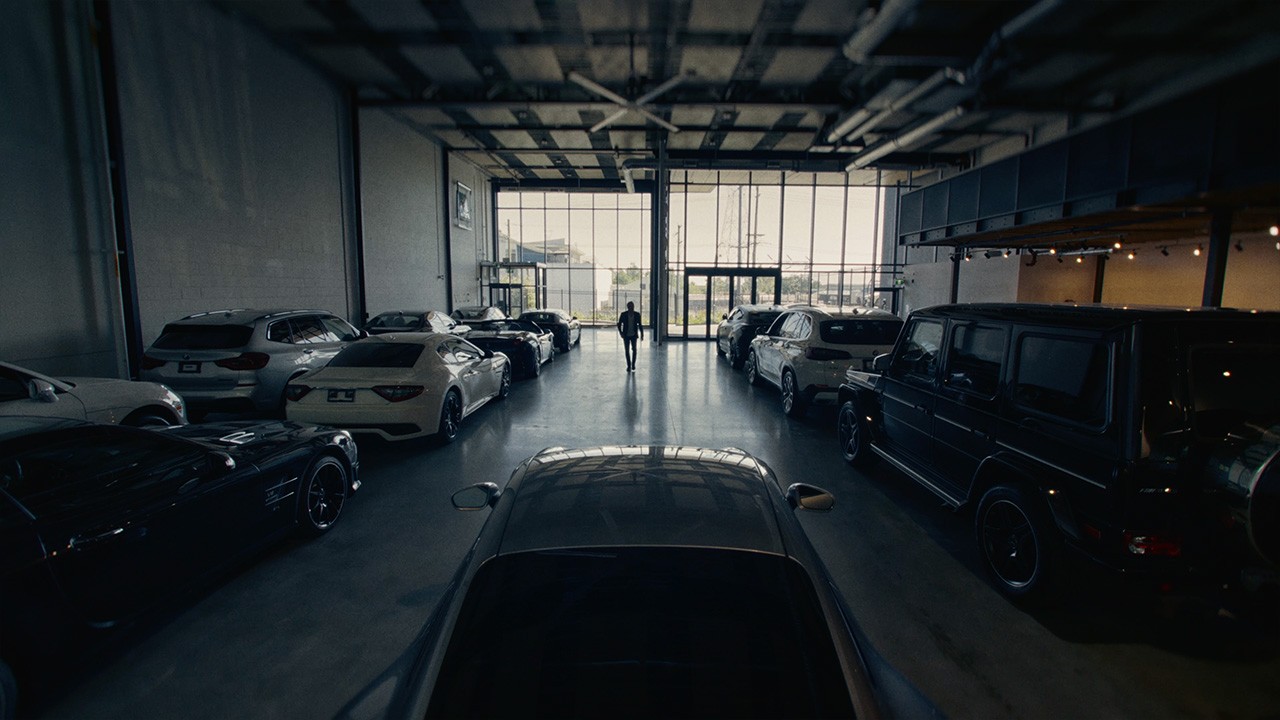
This does not mean every professional video needs to be completely static. In fact, camera movement can add energy, emotion and cinematic quality when it is motivated by the story. A production might use a tripod for a serious interview, handheld movement for something energetic or a gimbal for a smooth cinematic sequence. The important distinction is that good camera movement feels intentional, while bad movement feels like an accident. A useful question to ask when reviewing a video is whether the camera is helping you pay attention to the story or making you notice the camera itself.
3. Color Grade
Color grading is another major factor in determining whether a video feels polished. Good color grading creates consistency between shots, maintains natural-looking skin tones and establishes a visual style that supports the brand or story. Bad color grading can result in strange skin tones, inconsistent exposure, crushed shadows, blown-out highlights or shots that look noticeably different from one another. Even footage captured on a high-end cinema camera can look ordinary if the color management and grading are poorly handled.
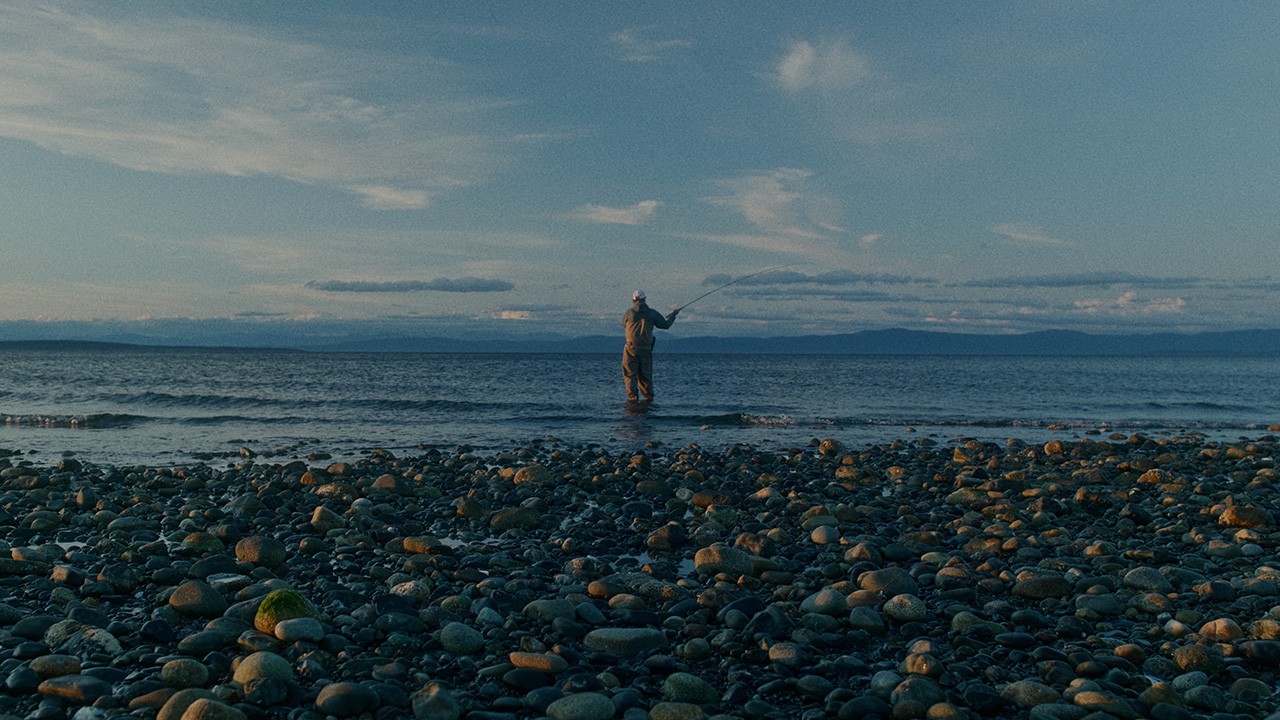
A professional color grade should generally feel intentional without calling attention to itself. Depending on the project, that might mean a clean corporate look, a warm lifestyle aesthetic, a dramatic cinematic treatment or a highly stylized commercial grade. The grade should also maintain consistency throughout the entire video, particularly when footage was captured in different locations or under different lighting conditions. When good lighting, camera work and color grading are working together, the result can feel significantly more expensive than the individual production elements might suggest.
4. Audio Quality
One of the biggest differences between amateur and professional video is often something you cannot see: the sound. Viewers will tolerate an imperfect image surprisingly well, but poor dialogue, excessive room echo, background noise or inconsistent audio levels can make a video difficult to watch. Clear, natural dialogue is particularly important for interviews, testimonials, corporate videos and documentaries because the audience needs to understand and connect with what the person is saying. Good production teams therefore treat microphones, placement, recording levels and the acoustic environment as seriously as they treat the camera.
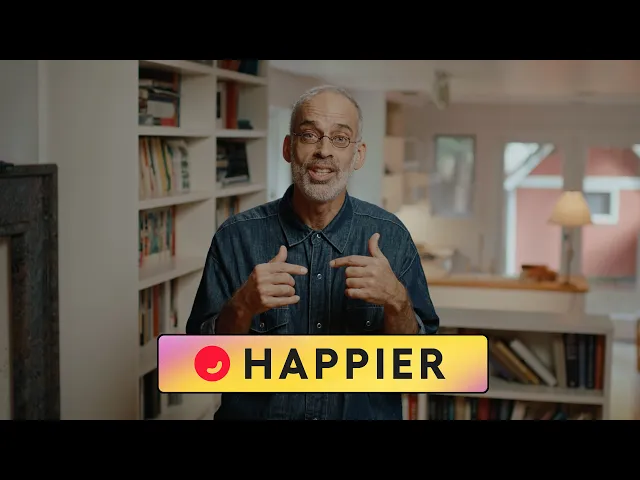
In below educational video, note how clean the audio sounds. This is not an accident. It requires careful technical execution.
Good audio should usually feel almost invisible. The audience should be able to hear every word clearly without being distracted by echo, background noise, clothing rustle or inconsistent volume. Depending on the situation, professional productions may use lavalier microphones, boom microphones, dedicated recorders or multiple audio sources to provide clean and reliable dialogue. Even a beautifully shot interview can feel cheap if the audience has to strain to understand what the person is saying.
5. Sound Effects and Sound Design
Great video is not just about what you see and hear through an interview microphone. Sound effects, room tone, music and subtle sound design can dramatically change how a scene feels and can help connect individual shots into a cohesive experience. A factory might need the sound of machinery, a restaurant might benefit from the natural atmosphere of a busy room, and a product video might use carefully designed sounds to give actions more impact. Bad sound design can feel artificial, distracting or completely disconnected from what is happening on screen.
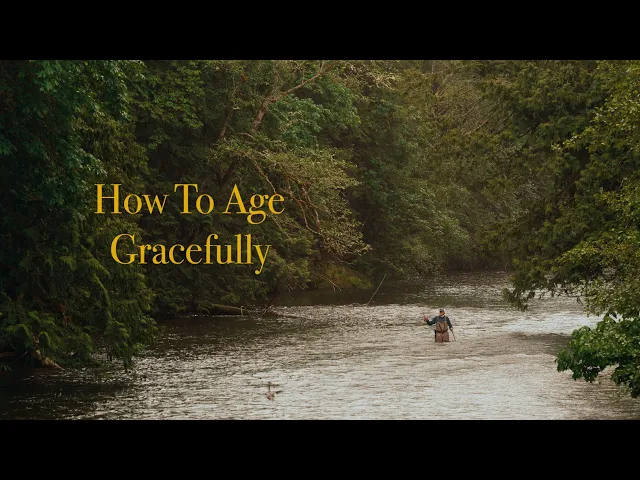
In below commercial for Vision Fly Fishing, you'll notice how immersive it feels when you can hear the sound effects of birds, rivers, casting, foot steps, engines etc.
Good sound design supports the story without constantly announcing itself. Natural production sound can make a location feel authentic, while carefully selected effects can add impact to an edit without becoming distracting. Even small details can make a significant difference, such as footsteps, doors closing, machinery operating in the background or subtle environmental sounds. When sound and picture work together, viewers become more immersed in the experience rather than simply watching a sequence of images.
6. Shot Variety
Good video rarely consists of one type of shot repeated over and over. Strong productions usually combine wide establishing shots, medium shots, close-ups, detail shots, environmental footage and different angles to give the editor options when building the final story. Shot variety also helps control pacing and keeps the audience visually engaged, particularly for corporate videos, social media content and brand films. If every shot is framed at roughly the same distance and from the same angle, even a well-produced video can quickly become monotonous.

This is one reason experienced video production teams think about the edit while they are still shooting. A shoot can be designed to capture not only the main interview or hero footage but also supporting B-roll that gives the final edit movement, context and visual variety. A good production anticipates the shots an editor will need to bridge ideas, hide cuts and reinforce what someone is saying. The result is a video that feels dynamic rather than simply being a collection of technically competent shots.
7. The Most Important: An Authentic, Engaging Story
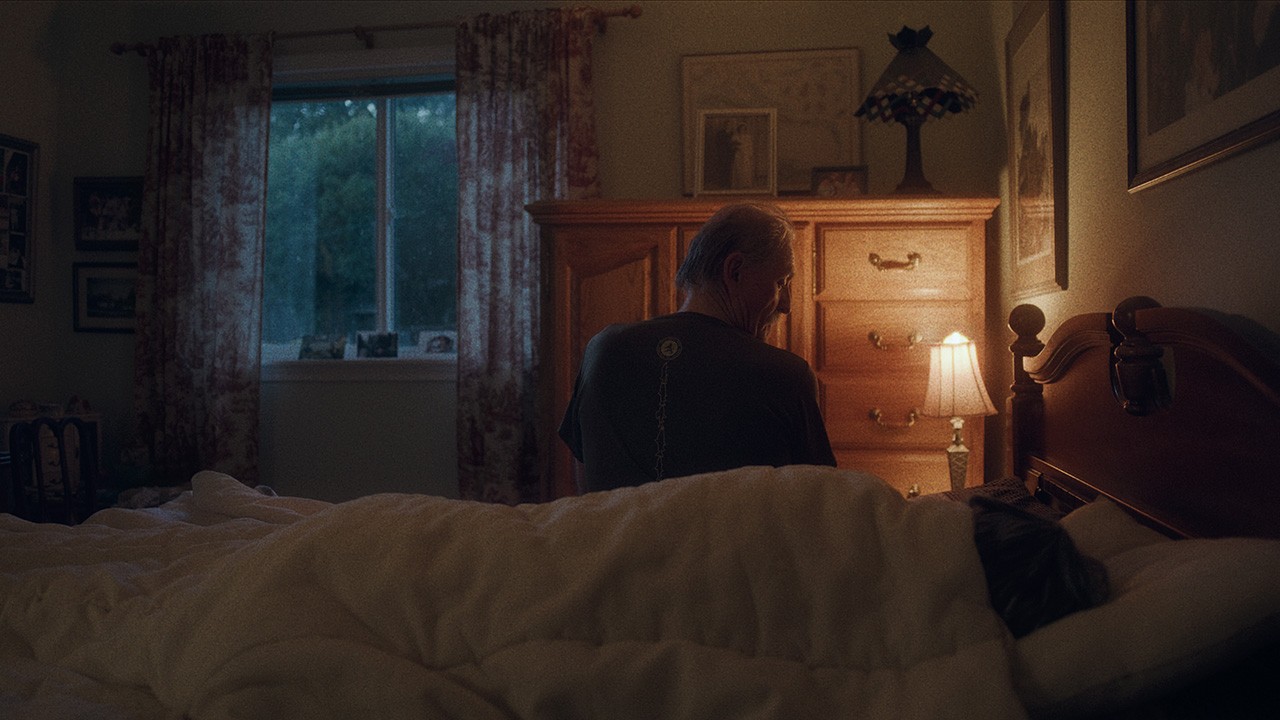
Technical quality matters, but it is not the most important factor. The best-looking video in the world can still fail if there is no interesting story, genuine emotion or reason for someone to keep watching. Conversely, a beautifully authentic story can sometimes connect with an audience even when the production is relatively simple. Good video makes people feel something, teaches them something, surprises them or gives them a reason to care.
This is where the difference between good video and great video becomes especially important. A professional camera, beautiful lighting and perfect audio cannot manufacture authenticity if the underlying story is weak or overly scripted. Truth & Beauty Video Production focuses on finding the human story within a brand, organization or business and then using production techniques to make that story as compelling as possible. Whether it is a customer explaining how a product changed their business, a founder explaining why a company exists or a team showing what makes their organization different, authenticity gives viewers a reason to believe what they are watching.
The Best Video Production Combines Technical Quality With Story
When evaluating video production quality, it is tempting to focus entirely on cameras, lenses and resolution. Those things matter, but they are only part of the equation. Great lighting, stable camera work, consistent color, clean audio, thoughtful sound design and varied shots create the foundation for a professional video, while an authentic and engaging story gives all of those technical elements a purpose. The strongest corporate videos and brand films combine both sides of the equation rather than relying on production value alone.
Ultimately, good quality video should feel intentional from beginning to end. Every lighting choice, camera movement, sound, edit and shot should contribute to the audience’s experience rather than simply demonstrate that expensive equipment was used. If you are planning a corporate video, testimonial, commercial or brand film, choosing a production company that understands both the technical craft and the human story can make a significant difference. The goal is not simply to make a video that looks good—it is to make a video that people actually want to watch.
Get Better Vancouver Video Production With Truth & Beauty
If you want professional video without the complexity and overhead of a large production company, Truth & Beauty Video Production can help. We combine strong cinematography, professional lighting and sound with a focus on finding the authentic story that makes your business worth watching. From corporate videos and customer testimonials to brand films and social media content, we create polished, engaging video designed to connect with your audience. The result is video that not only looks professional, but gives your audience a reason to keep watching.
Not all video is created equal. Two videos can feature the same subject, the same camera and even the same location, yet one can immediately feel polished, professional and compelling while the other feels cheap or forgettable. The difference usually comes down to a combination of technical execution and creative decisions made before, during and after the shoot. If you are investing in corporate video production, brand films, testimonials or social media video, knowing what separates good video quality from bad can help you get much more value from your production budget.
Truth & Beauty Video Production is an award-winning video production company based in Vancouver Canada. With over 20 years experience, we can help your business level up in whatever way you need.
1. Lighting
Lighting is one of the fastest ways to tell whether a video was professionally produced. Good lighting gives a subject shape, separates them from the background and creates an intentional mood, while poor lighting can make even an expensive camera look unimpressive. Look for balanced skin tones, controlled highlights, pleasing shadows and light that actually supports the story or environment rather than simply making everything brighter. Professional video production often involves carefully positioning key lights, fill, backlight and practical sources so that the image feels natural while still having visual depth.
The best lighting does not necessarily look like lighting at all. In many cases, the audience should simply feel that the person looks great and the environment feels appropriate, without thinking about why. Lighting can be soft and flattering for an interview, dramatic and directional for a brand film, or bright and energetic for a commercial. What matters is that the lighting supports the mood, subject and message rather than being applied using a one-size-fits-all approach.
2. Camera Stability
A professional-looking video generally has deliberate camera movement rather than accidental camera shake. A locked-off interview, smooth handheld shot, controlled gimbal movement or carefully executed tracking shot can all work beautifully when they serve the story. Problems arise when the camera appears unstable simply because the operator did not have the right support, technique or intention. Excessive shaking can make a corporate video, commercial or testimonial feel amateurish and can distract viewers from what the subject is saying.
This does not mean every professional video needs to be completely static. In fact, camera movement can add energy, emotion and cinematic quality when it is motivated by the story. A production might use a tripod for a serious interview, handheld movement for something energetic or a gimbal for a smooth cinematic sequence. The important distinction is that good camera movement feels intentional, while bad movement feels like an accident. A useful question to ask when reviewing a video is whether the camera is helping you pay attention to the story or making you notice the camera itself.
3. Color Grade
Color grading is another major factor in determining whether a video feels polished. Good color grading creates consistency between shots, maintains natural-looking skin tones and establishes a visual style that supports the brand or story. Bad color grading can result in strange skin tones, inconsistent exposure, crushed shadows, blown-out highlights or shots that look noticeably different from one another. Even footage captured on a high-end cinema camera can look ordinary if the color management and grading are poorly handled.
A professional color grade should generally feel intentional without calling attention to itself. Depending on the project, that might mean a clean corporate look, a warm lifestyle aesthetic, a dramatic cinematic treatment or a highly stylized commercial grade. The grade should also maintain consistency throughout the entire video, particularly when footage was captured in different locations or under different lighting conditions. When good lighting, camera work and color grading are working together, the result can feel significantly more expensive than the individual production elements might suggest.
4. Audio Quality
One of the biggest differences between amateur and professional video is often something you cannot see: the sound. Viewers will tolerate an imperfect image surprisingly well, but poor dialogue, excessive room echo, background noise or inconsistent audio levels can make a video difficult to watch. Clear, natural dialogue is particularly important for interviews, testimonials, corporate videos and documentaries because the audience needs to understand and connect with what the person is saying. Good production teams therefore treat microphones, placement, recording levels and the acoustic environment as seriously as they treat the camera.
In below educational video, note how clean the audio sounds. This is not an accident. It requires careful technical execution.
Good audio should usually feel almost invisible. The audience should be able to hear every word clearly without being distracted by echo, background noise, clothing rustle or inconsistent volume. Depending on the situation, professional productions may use lavalier microphones, boom microphones, dedicated recorders or multiple audio sources to provide clean and reliable dialogue. Even a beautifully shot interview can feel cheap if the audience has to strain to understand what the person is saying.
5. Sound Effects and Sound Design
Great video is not just about what you see and hear through an interview microphone. Sound effects, room tone, music and subtle sound design can dramatically change how a scene feels and can help connect individual shots into a cohesive experience. A factory might need the sound of machinery, a restaurant might benefit from the natural atmosphere of a busy room, and a product video might use carefully designed sounds to give actions more impact. Bad sound design can feel artificial, distracting or completely disconnected from what is happening on screen.
In below commercial for Vision Fly Fishing, you'll notice how immersive it feels when you can hear the sound effects of birds, rivers, casting, foot steps, engines etc.
Good sound design supports the story without constantly announcing itself. Natural production sound can make a location feel authentic, while carefully selected effects can add impact to an edit without becoming distracting. Even small details can make a significant difference, such as footsteps, doors closing, machinery operating in the background or subtle environmental sounds. When sound and picture work together, viewers become more immersed in the experience rather than simply watching a sequence of images.
6. Shot Variety
Good video rarely consists of one type of shot repeated over and over. Strong productions usually combine wide establishing shots, medium shots, close-ups, detail shots, environmental footage and different angles to give the editor options when building the final story. Shot variety also helps control pacing and keeps the audience visually engaged, particularly for corporate videos, social media content and brand films. If every shot is framed at roughly the same distance and from the same angle, even a well-produced video can quickly become monotonous.
This is one reason experienced video production teams think about the edit while they are still shooting. A shoot can be designed to capture not only the main interview or hero footage but also supporting B-roll that gives the final edit movement, context and visual variety. A good production anticipates the shots an editor will need to bridge ideas, hide cuts and reinforce what someone is saying. The result is a video that feels dynamic rather than simply being a collection of technically competent shots.
7. The Most Important: An Authentic, Engaging Story
Technical quality matters, but it is not the most important factor. The best-looking video in the world can still fail if there is no interesting story, genuine emotion or reason for someone to keep watching. Conversely, a beautifully authentic story can sometimes connect with an audience even when the production is relatively simple. Good video makes people feel something, teaches them something, surprises them or gives them a reason to care.
This is where the difference between good video and great video becomes especially important. A professional camera, beautiful lighting and perfect audio cannot manufacture authenticity if the underlying story is weak or overly scripted. Truth & Beauty Video Production focuses on finding the human story within a brand, organization or business and then using production techniques to make that story as compelling as possible. Whether it is a customer explaining how a product changed their business, a founder explaining why a company exists or a team showing what makes their organization different, authenticity gives viewers a reason to believe what they are watching.
The Best Video Production Combines Technical Quality With Story
When evaluating video production quality, it is tempting to focus entirely on cameras, lenses and resolution. Those things matter, but they are only part of the equation. Great lighting, stable camera work, consistent color, clean audio, thoughtful sound design and varied shots create the foundation for a professional video, while an authentic and engaging story gives all of those technical elements a purpose. The strongest corporate videos and brand films combine both sides of the equation rather than relying on production value alone.
Ultimately, good quality video should feel intentional from beginning to end. Every lighting choice, camera movement, sound, edit and shot should contribute to the audience’s experience rather than simply demonstrate that expensive equipment was used. If you are planning a corporate video, testimonial, commercial or brand film, choosing a production company that understands both the technical craft and the human story can make a significant difference. The goal is not simply to make a video that looks good—it is to make a video that people actually want to watch.
Get Better Vancouver Video Production With Truth & Beauty
If you want professional video without the complexity and overhead of a large production company, Truth & Beauty Video Production can help. We combine strong cinematography, professional lighting and sound with a focus on finding the authentic story that makes your business worth watching. From corporate videos and customer testimonials to brand films and social media content, we create polished, engaging video designed to connect with your audience. The result is video that not only looks professional, but gives your audience a reason to keep watching.
MORE STORIES
MORE STORIES
FROM THE STUDIO
FROM THE STUDIO

Insights
"The challenge was to make the shoot efficient without making it feel rushed or compromising the quality of the final content."

Insights
"Kickstarter is an unusually demanding environment for video because viewers need to understand a product quickly while also connecting with the people and story behind it."

Insights
"If there is one area where businesses can save themselves enormous amounts of stress, it is pre-production."