
For Corey Ogilvie, documentary filmmaking has always been about getting closer to the truth with the most beautiful visuals possible.
Long before branded content and commercial filmmaking became a major part of his career, Corey was drawn to stories that required access, curiosity, trust, and a willingness to go places that conventional productions often avoid. As a director, cinematographer, producer, and editor, he has spent more than two decades developing a documentary filmmaking style built around authentic human stories, cinematic imagery, and conversations with people who have something meaningful to say.
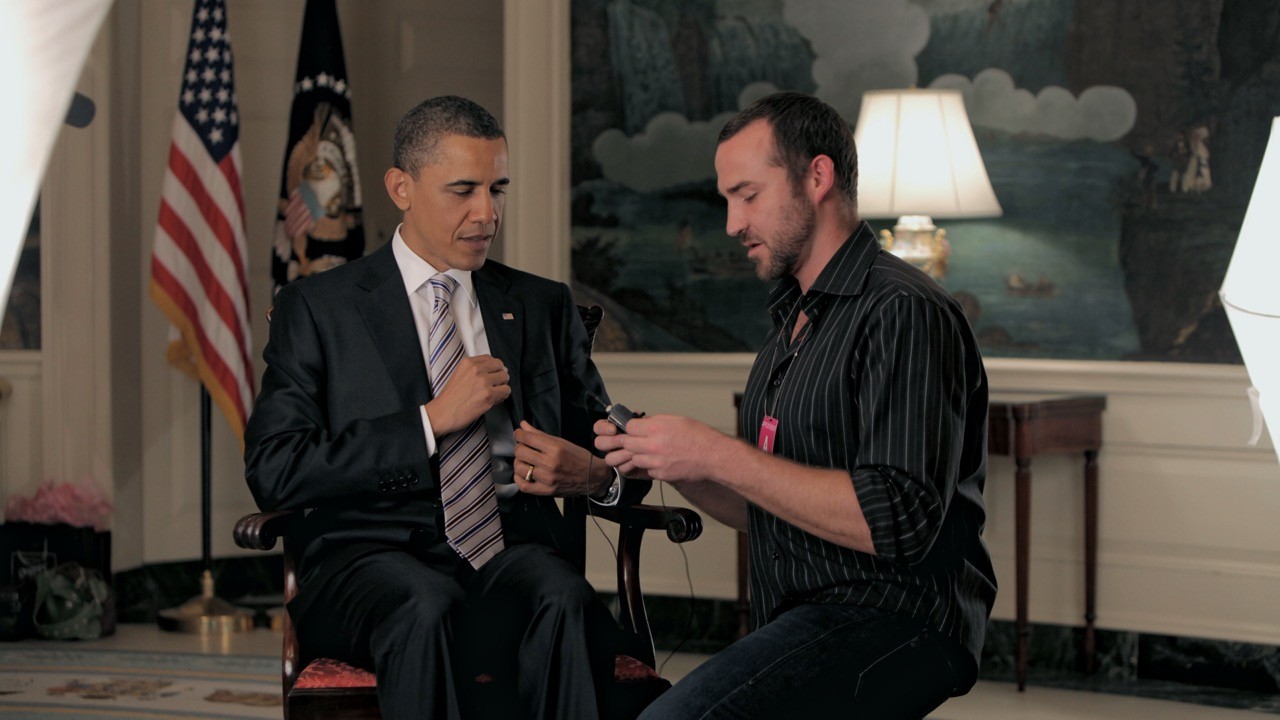
Corey Ogilvie interviews Barack Obama for NASH documentary
His documentary work has taken him from Vancouver’s Downtown Eastside to the White House, from the streets of New York during the Occupy movement to interviews with some of the world’s most recognizable athletes, actors, politicians, academics, and cultural figures.
The result is a body of work that combines the intimacy of documentary filmmaking with the visual language of cinema.
Documentary Trailers


NASH: The Documentary
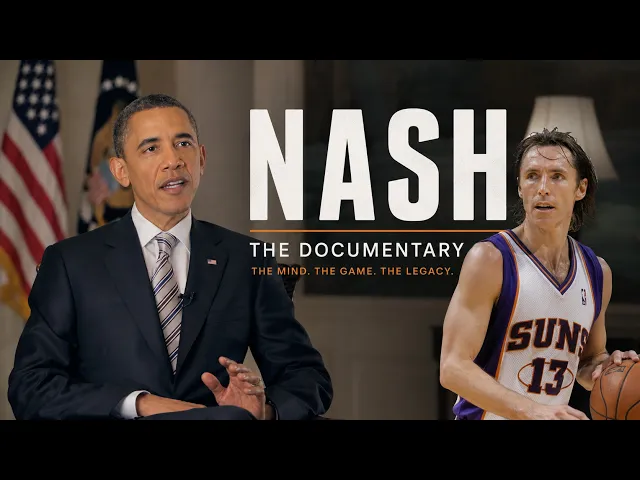
One of Corey’s most ambitious documentary projects was NASH: The Documentary, an intimate portrait of Canadian basketball icon Steve Nash.
The film explores Nash’s journey from growing up in Canada to becoming one of the NBA’s most celebrated point guards, while also examining the person behind the athlete and his efforts to create a lasting legacy beyond basketball.
The production gave Corey the opportunity to interview and film an extraordinary range of people connected to Nash’s life and career, including Barack Obama and Kobe Bryant, among many others.
Corey also brought his experience as a cinematographer to the project, creating imagery designed to feel cinematic while remaining grounded in the observational nature of documentary storytelling.
The film became another example of Corey’s ability to gain access to remarkable people and turn those conversations into compelling visual stories.
Occupy: The Movie
In 2011, the Occupy Wall Street movement rapidly became one of the most significant social and political movements in North America. Corey saw an opportunity to document the movement while it was still unfolding.
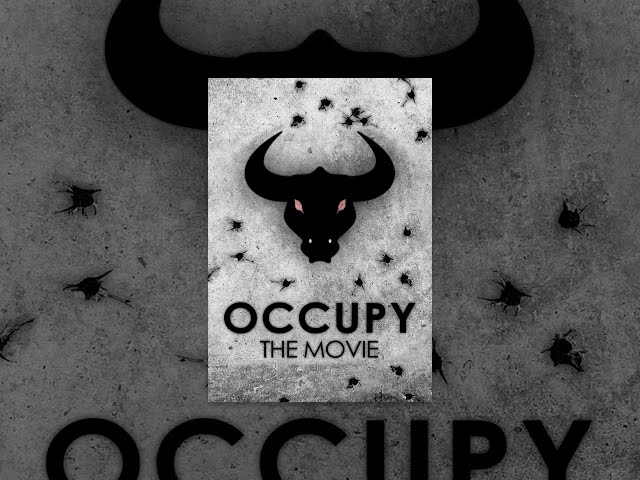
The result was Occupy: The Movie, an ambitious feature documentary examining the movement, its origins, its ideas, its successes, and its failures.
The production involved filming across multiple American cities and conducting dozens of interviews with activists, academics, economists, journalists, politicians, and other figures connected to the movement. Corey ultimately worked with hundreds of hours of footage to shape the story into a feature-length documentary.
Among those featured in the film were Noam Chomsky, Cornel West, Chris Hedges, Kalle Lasn and numerous other prominent voices.
Rather than simply advocating for the movement, the film attempted to examine it critically and provide context for why Occupy emerged and what it meant.
That approach was recognized by critics. Variety film critic Dennis Harvey described the film as:
“A complex political movement gets admirably cogent treatment.”
The film was also described by Hot Docs as an analysis rather than propaganda, and Occupy: The Movie went on to win Best International Documentary at the Phoenix Film Festival and receive nominations including Best Canadian Feature Documentary at Hot Docs and multiple Leo Award nominations.
The Power of Branded Documentary
Today, Corey brings that documentary experience to commercial and branded filmmaking.
A branded documentary can be far more powerful than a conventional advertisement because it doesn’t begin with a sales pitch. It begins with a story.
Instead of telling an audience that a company is innovative, trustworthy, courageous, or inspiring, a documentary can show those qualities through real people and real experiences.
This creates something increasingly valuable in a world where audiences are exposed to thousands of marketing messages every day: authenticity.
A strong branded documentary gives a company the opportunity to tell its story with the emotional depth, credibility, and cinematic quality of documentary filmmaking.
It might follow a founder building a company from the ground up. It might explore the people whose lives have been changed by a product or service. It might document a community, a craft, an innovation, or a cause.
The brand becomes part of the story rather than the entire story.
That’s where Corey’s documentary background becomes particularly valuable.
He understands how to find the human narrative inside a larger corporate story—and how to translate that narrative into powerful images, authentic interviews, and an emotionally engaging film.
Conversations With Remarkable People
Over the course of his documentary career, Corey has had the opportunity to interview and film an extraordinary range of people.
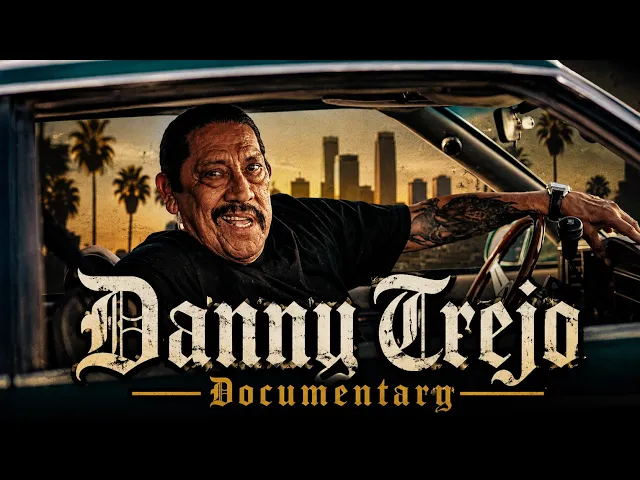
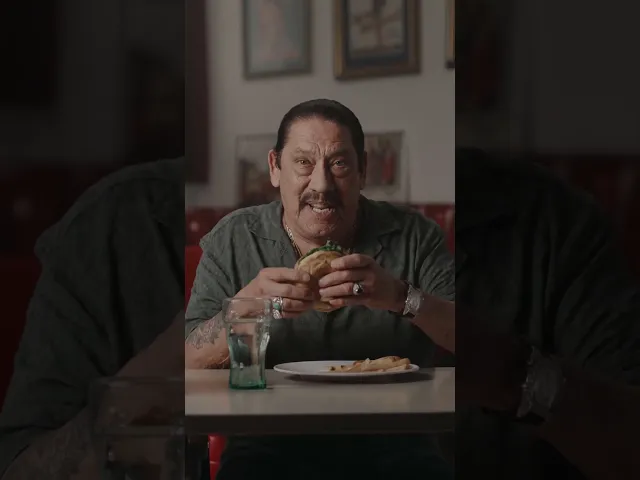
His interview subjects have included President Barack Obama, philosopher and activist Noam Chomsky, actor Danny Trejo, environmental activist Rex Wyler, NBA legend Kobe Bryant, filmmaker Michael Moore, former UN weapons inspector Hans Blix, Steve Nash, and many more.
These experiences have taught Corey that great documentary interviews aren’t simply about asking questions.
They’re about creating an environment where people feel comfortable enough to forget the camera is there.
That philosophy carries into every production Corey directs.
Award-Winning Documentary Experience
Corey’s documentary work has received recognition from film festivals and industry awards, including a World Cinema Best Documentary win at the Phoenix Film Festival for Occupy: The Movie and numerous Leo Award nominations for direction, cinematography, editing, and documentary filmmaking. His work has also been recognized by Hot Docs.
That experience informs every documentary project he takes on today.
Whether the subject is a global public figure, a local community, an entrepreneur, a brand, or an individual with a remarkable story, the goal remains the same:
Find the truth in the story. Make people care. And tell it beautifully.
For Corey Ogilvie, documentary filmmaking isn’t simply a genre.
It’s a way of seeing.